Sustainable Solutions: Professional Environmental Advisory for Your Business
Eco-friendly approaches form a cornerstone of current business landscape. Specialized green consulting permits companies the opportunity to optimize operations while minimizing their ecological impact. Through managing environmental footprints and compliance issues, professionals steer organizations in the direction of eco-friendly operations. This evolution not only aids the planet but also embraces the ethics of green-minded customers. The path toward sustainable business, yet, is intricate and demands careful review of numerous elements. What actions should organizations consider to catalyze this shift?
Comprehending Environmental Consulting Services and Its Benefits
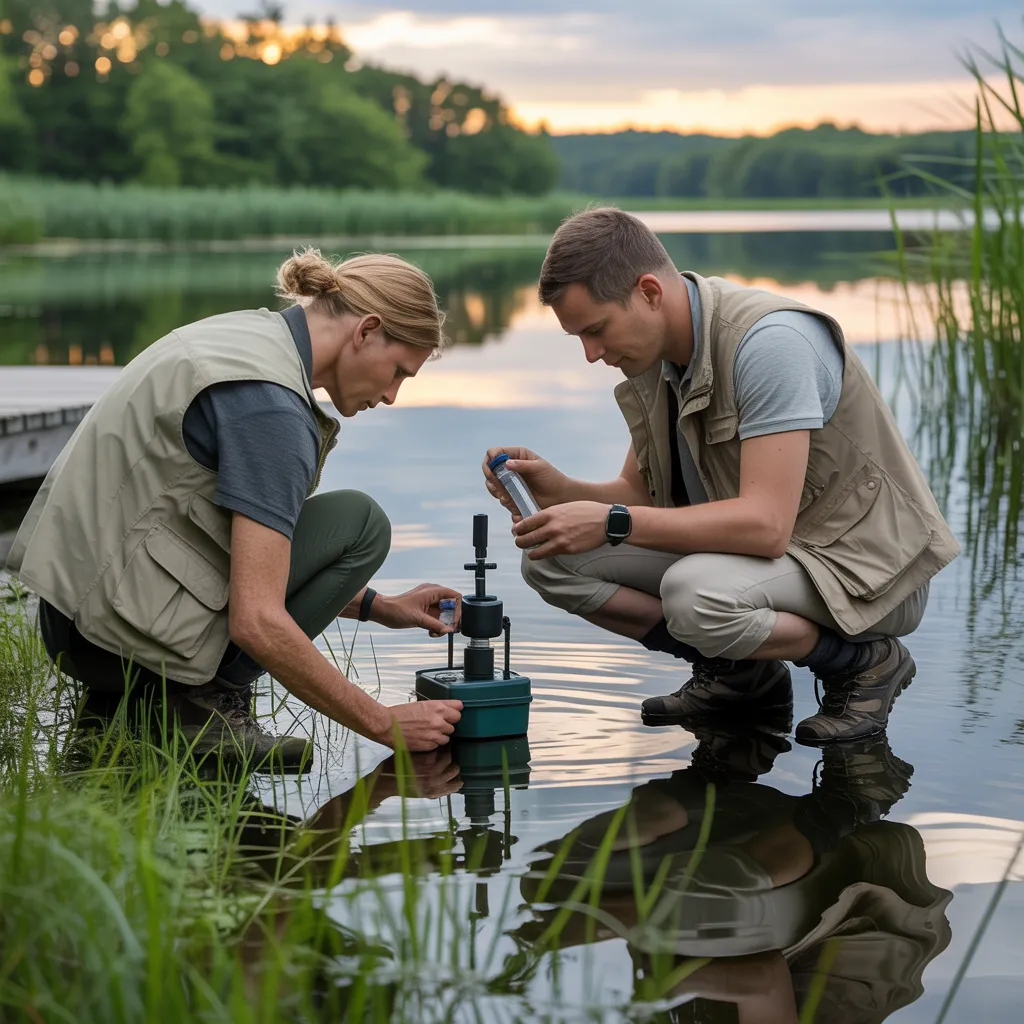
Recognizing environmental consulting is necessary for businesses attempting to introduce environmentally sound practices. This branch involves authoritative guidance on ecological policy requirements, sustainability frameworks, and resource management. Environmental consultants examine a entity's undertakings to spot betterment possibilities, ensuring observance of environmental regulations and constraining ecological damage.
The advantages of retaining environmental consultants are substantial. They offer tailored solutions that enhance operational productivity, cut down waste, and lower costs tied to resource consumption. By assessing potential environmental threats, consultants help businesses mitigate liabilities and improve public reputation. Additionally, the integration of sustainable practices often produces innovation and competitive advantage in the marketplace.
During the long term, engaging with environmental consultants cultivates a sustainable workplace culture within organizations, encouraging employees to incorporate environmentally sustainable behaviors. Through their competence, businesses not only play a role in environmental preservation but also assert themselves as leaders in corporate responsibility, winning over increasingly eco-conscious consumers.
Evaluating Your Environmental Footprint
Examining a business's environmental footprint necessitates identifying key impact areas and tracking consumption patterns of resources. By studying these elements, firms can locate where improvements are necessary. This undertaking not only fosters sustainability but also strengthens operational efficiency.
Uncovering Significant Impact Categories
Many businesses overlook the critical importance of recognizing key focal points when evaluating their ecological impact. By pinpointing particular elements of their operations that lead to environmental degradation, companies can develop targeted strategies for enhancement. These key zones often include energy consumption, waste generation, water use, and emissions. Understanding these elements allows enterprises to prioritize actions that yield the most substantial environmental benefits. In addition, engaging interested parties in this identification process cultivates a culture of sustainability within the entity. By recognizing and tackling these key critical zones, companies position themselves to enhance their overall ecological responsibility, reduce costs, and meet regulatory requirements. This forward-thinking strategy ultimately promotes long-term environmental and financial sustainability.
Assessing Material Depletion Rates
Once primary focus areas are recognized, the next step involves calculating resource consumption rates to assess the company's ecological impact. This process demands an organized method to gather data on energy, water, and material usage across all activities. Utilizing instruments like power assessments, liquid evaluations, and material flow analysis can offer understanding into usage trends. Organizations should also think about creating benchmarks to measure against industry standards or previous results. By examining these metrics, businesses can identify waste areas and chances to decrease usage. Precise tracking not only aids in compliance with environmental regulations but also enhances company environmental initiatives. This data-driven approach is essential for choosing wisely that support long-term environmental goals.
Notable Sectors for Green Commercial Strategies
Furthermore, organizations can invest in sustainable power alternatives, including solar or wind, to reduce dependence on fossil fuels. Employee engagement in environmental initiatives cultivates a environment of accountability, driving creative solutions and dedication to sustainable operations. In conclusion, transparent reporting on environmental targets and achievements strengthens investor confidence and demonstrates accountability. By combining these core areas, companies not only contribute to ecological conservation but also establish themselves as pioneers in business ethics, appealing to increasingly environmentally aware consumers.
Discovering the Ideal Green Advisor for You
Choosing an environmental consultant demands a thorough comprehension of a company's particular objectives and requirements. Evaluating these specifications enables organizations to partner with experts who have the relevant expertise and experience. This strategic approach guarantees that organizations make informed choices for sustainable solutions.
Analyzing Your Business Needs
When companies recognize the significance of environmental responsibility, they often face the challenge of finding the appropriate environmental consultant to satisfy their particular needs. This procedure begins with a comprehensive assessment of the company's environmental goals, regulatory requirements, and existing practices. Businesses should consider their sector background, size of operations, and specific challenges, such as garbage disposal or energy efficiency. Engaging different team members within the business can provide useful information into the objectives and anticipated outcomes of the consulting engagement. Furthermore, it is essential to define the range of offerings needed, whether it be regulatory adherence, strategy development, or education. By explicitly defining these requirements, companies can streamline the selection process and ensure a more successful collaboration with their selected consultant.
Evaluating Consultant Expertise
How can companies ensure they select the appropriate environmental consultant? Assessing consultant knowledge requires several important factors. Initially, organizations should assess the consultant's credentials, encompassing pertinent certifications, training, and expertise in particular environmental sectors. Subsequently, examining previous projects and customer references provides insight into the consultant's performance and dependability. Additionally, understanding their strategy to sustainability—whether they emphasize cutting-edge approaches or compliance—is essential. Communication skills also serve a important part; a consultant must clearly communicate complicated information to various stakeholders. Ultimately, take into account the consultant's commitment to continuous learning and staying updated on environmental regulations and technologies. Through carefully reviewing these aspects, businesses can make well-considered choices and select a consultant most matched to their unique requirements.
Create Your Unique Sustainability Approach
A carefully constructed sustainability blueprint is able to clearly improve a business's ecological impact and efficiency in operations. This method initiates with a exhaustive assessment of the company's current routines, identifying zones where improvements can be made. Important parties should be included in this evaluation to guarantee diverse perspectives are considered.
Following this, specific, measurable goals must be established. These goals should match with the overarching objectives of the organization while confronting environmental concerns such as reducing waste, power conservation, and sustainable resource use.
Moreover, it is important to implement innovative solutions designed for the specific difficulties of the industry. Working with expert environmental consultants can supply beneficial guidance into best practices and emerging technologies.
In conclusion, a well-defined communication plan can advance a culture focused on sustainability within the organization, making sure that all employees grasp their functions in reaching these goals. This all-encompassing method ultimately places the business as a leader in environmental responsibility.
Executing Sustainable Initiatives Proficiently
Effective execution of sustainable solutions necessitates a deliberate strategy that emphasizes clarity and purpose. Businesses must first establish clear objectives, identifying concrete environmental targets aligned with their overall mission. This entails engaging stakeholders, including employees and suppliers, to foster a culture of sustainability throughout the organization.
Next, companies should manage budgets efficiently, ensuring that the necessary digital solutions, instruction, and equipment are in place to promote sustainable practices. Regular communication is see the details essential, as it keeps all parties informed and motivated.
In addition, weaving in green initiatives into existing processes can strengthen operational performance and decrease pushback against transformation. By testing programs, organizations can measure feasibility and refine approaches before full-scale implementation.
Ultimately, a dedicated management team, aligned with transparent processes and constant engagement, can significantly enhance the effectiveness of sustainable solutions, delivering long-term benefits for both the entity and the natural surroundings.
Assessing Your Environmental Responsibility Results
What techniques can companies employ to document their sustainability development proficiently? Enterprises can utilize a variety of tools and benchmarks to measure their environmental impact and developments. One standard approach is the embrace of performance indicators that emphasize on energy usage, waste elimination, and carbon footprint. By determining clear milestones, firms can assess their improvements over time.
Additionally, computational tools that supervise resource consumption and emissions can render immediate data, enabling well-considered assessments. Scheduled performance audits also play an essential role, helping organizations organizations to identify areas for enhancement and guarantee compliance with sustainability regulations.
Engaging key parties by using feedback tools and survey methods can significantly strengthen the tracking process, establishing a culture of accountability and continuous improvement. Ultimately, a systematic approach to tracking sustainability progress enables organizations to implement informed decisions and display their commitment to environmental stewardship.
Frequently Asked Questions
What Is the Average Price of Environmental Consulting for Businesses?
Environmental consulting pricing for businesses generally fluctuate from $100 to $300 per hour, contingent on the firm's capabilities and complexity. Fixed pricing may apply, varying in relation to required services and duration.
Which Credentials Should I Consider in an Eco-Consultant?
In selecting an environmental consultant, prospective clients should identify certifications such as Certified Environmental Professional (CEP), ISO 14001, or LEED accreditation, as these reveal expertise and commitment to eco-conscious practices within environmental management.
Do Small Businesses Gain Advantages From Environmental Consulting Services?
Yes, small businesses can meaningfully gain advantage from environmental consulting services. These expert services help improve resource allocation, reduce waste output, ensure compliance with industry standards, and boost overall sustainability, ultimately creating financial benefits and a better public image.
How Consistently Should I Adjust My Sustainability Strategy?
Updating a environmental plan should occur annually or biannually, depending on sector shifts and business expansion. Regular assessments ensure alignment with changing compliance requirements, stakeholder expectations, and innovation progress, fostering continuous improvement and enhanced ecological outcomes.
Which Business Fields Receive the Greatest Benefits From Environmental Consulting?
Industries like manufacturing, construction, energy, and agriculture receive significant benefits from environmental professional consultation. These sectors often face legal requirements, resource allocation problems, and sustainability targets that necessitate professional expertise to boost their green performance and compliance.